

Back in 2001, the Roadless Area Conservation Rule was enacted to protect over 58 million acres of national forest in the States from industrial development and extraction, from notable areas like the Tongass National Forest in Alaska down to countless forests and ecosystems in the lower 48, many of which are surely very close to where you live. Yet today, the Trump administration has begun to rescind the Roadless Rule under the guise that having roads in these remote areas will help us fight extreme wildfires better, and I’m sorry, that is just so far from the truth it’s laughable. This reasoning uses misinformation and fear tactics to ignore the science and clear the way for billionaires and extractive industries to do even more harm to the lands and waters we all share - let me explain.
Humans are directly responsible for a huge portion of forest fires ignitions in the first place, and the more access, industrial activity and people there are, the more chances for ignition will occur. Studies have shown that areas with more roads are actually much more likely to burn, and new research from The Wilderness Society found that fires were four times as likely to start in areas with roads than in roadless forests! Moreover, the Forest Service’s own management records show that a lack of roads has not stopped fire prevention, and even if the rule is rescinded, roads won’t just magically appear—they will have to be constructed, leaving taxpayers with a massive bill and a new financial burden of regular maintenance, which would be added on top of an already multi-billion dollar maintenance backlog.
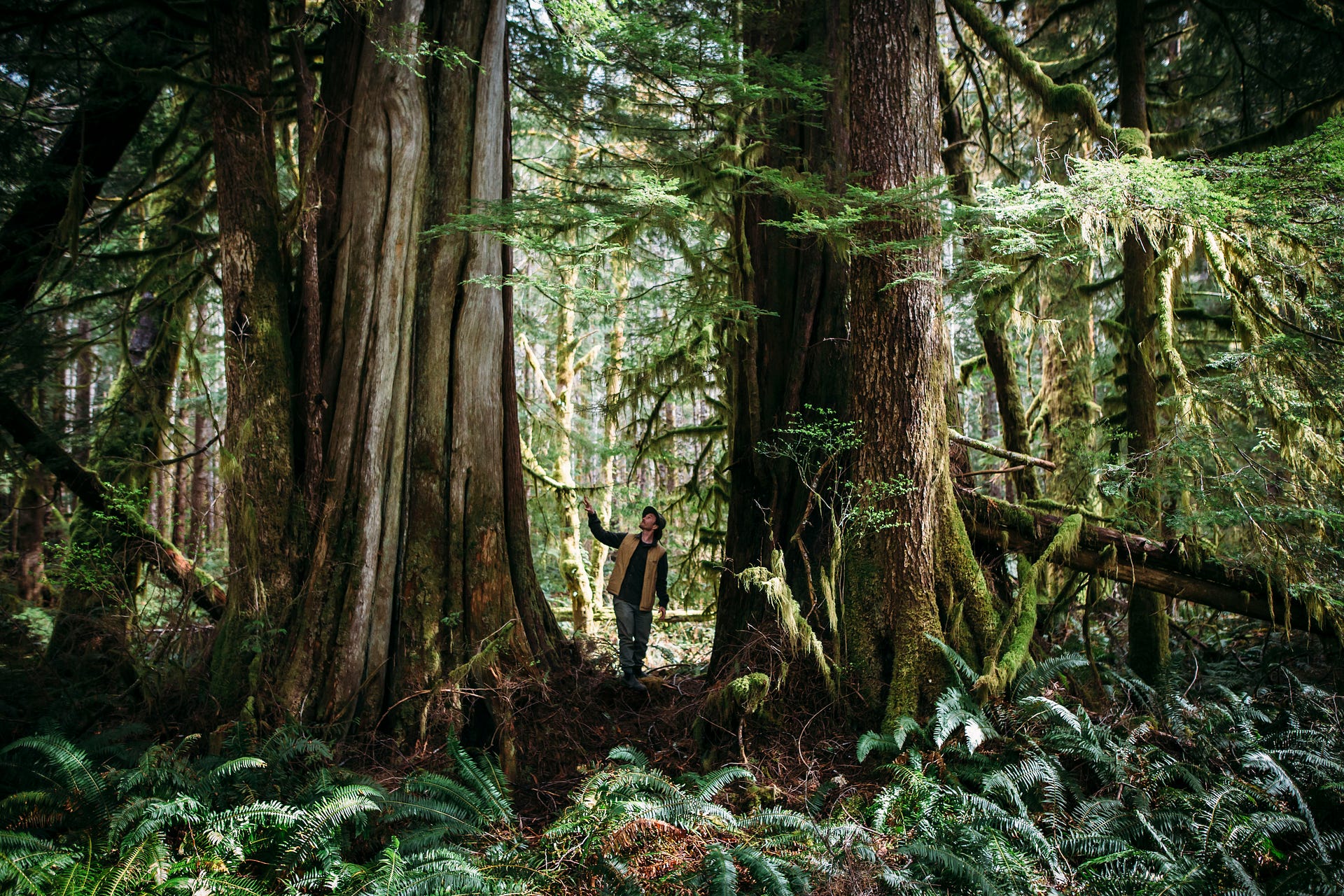
So where’s the money going to come from? Well, the most economically lucrative way to extract timber is by clearcutting, despite decades of science clearly showing it to be ecologically inappropriate in every single forest type because of the way it reduces ecological complexity in those forests that makes them more resistant to fires. See, complex, mature forests have a diversity of deciduous and evergreen plant and tree species of different sizes, ages and spacing, as well as understory complexity that stores moisture and slows the flow of water through these ecosystems. All this cool shade, moisture retention, species diversity and ecological complexity naturally creates fire breaks and fire-resilient individuals that prevents low-intensity fires from growing into the colossally violent, unnatural high-intensity ones we’re so used to seeing on the news these days.
Unfortunately, a vast majority of those extreme fires occur in previously logged second growth forests, which have reduced ecological complexity, with a high density of few tree species at the same age with much tighter spacing, and this tight canopy prevents light from reaching the understory. As a result, there is little diversity both in the trees and the understory, which retains less moisture and allows for the build up of fine ladder fuels so that when fire does come through these ecosystems, it quickly spreads to the canopy and burns much hotter and faster than it would naturally, and this is all exacerbated with the impacts of climate change.
Now some forests have evolved to see frequent natural fires which would historically burn through the fine materials of a forest and leave largest fire-resistant trees and woody materials around for regeneration, and clearcutting is often pitched as replicating these types fires…but that is a wildly inaccurate misrepresentation of truth, which is that clearcutting removes the large trees while leaving the fine fuels, resulting in dryer conditions, more easily ignitable fuels and more frequent fires. The idea that better access to forests will allow firefighters to respond more quickly is arrogantly ironic because in order to get access, the forests would be logged, which actually creates a higher probability of those catastrophic fires they’re claiming to avoid in the first place.
Instead of regulating and diverting away from fossil fuels, the known causes of climate change, or providing funding and incentives to properly manage these forests through ecological thinning and controlled burns, the administration is actively ignoring the science in a ruse to open up public lands from Alaska to Washington, Oregon, California, Idaho, Montana, New Hampshire, Virginia and so many more to logging and resource extraction in a way that will create unhealthy ecosystems and more problems.
And what for? All so that a few very wealthy individuals can get even richer off the backs of the working class, our communities and the lands we all share. They have opened up an unbelievably short comment period in an attempt to keep public engagement and involvement low, and while the ball has only begun rolling on this, it's imperative that we do all we can to prevent it from gaining speed and traction. So please, take 5 minutes from your day to leave a comment at the link below to keep the roadless rule in place!


